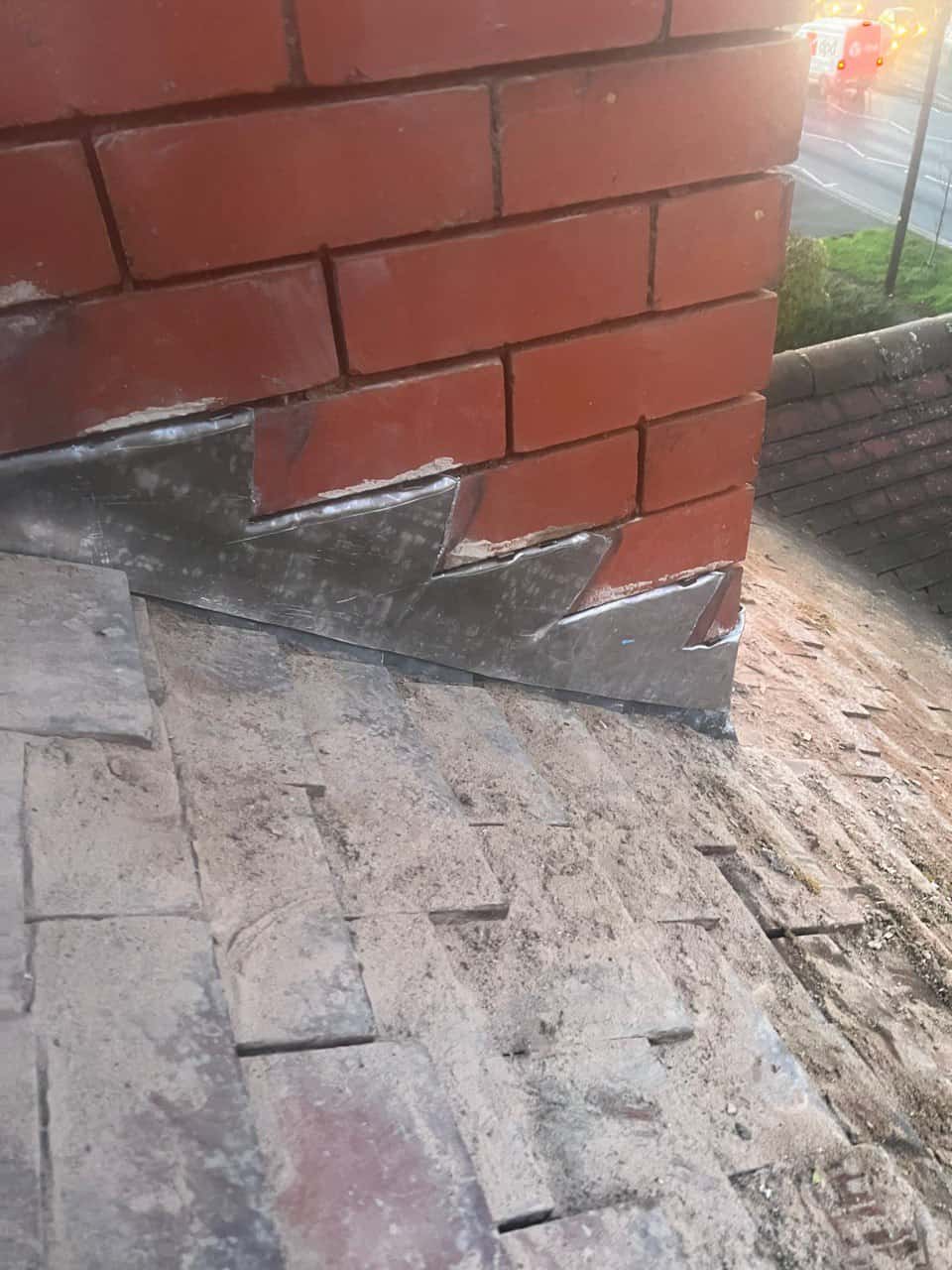
Can a Small Roof Leak Become a Much Larger Roofing Problem?
A small roof leak can be easy to overlook, particularly when it leaves only a faint ceiling mark or appears during heavy rain. However, the visible sign inside a property may represent only a small part of the problem. Water can travel through several layers of a roof before becoming noticeable, affecting materials that remain hidden from view.
For property owners in Earls Barton, Northamptonshire, prompt investigation is the most reliable way to prevent a minor defect from developing into more widespread roof damage.
How a Minor Roof Leak Can Cause Wider Damage
A roof is made up of connected components, including tiles or slates, flashing, underlay, battens, structural timbers and internal finishes. Once water passes through the outer covering, it can move between these components and gradually affect a much larger area.
The longer the source remains unresolved, the greater the opportunity for moisture to spread.
Water Can Travel Away From the Original Defect
The location of an internal damp patch does not always reveal where water entered the roof. Moisture can run down underlay, rafters, battens and other surfaces before dripping onto a ceiling.
As a result, a stain in one room may originate from a slipped tile, damaged junction or failed flashing some distance away. Repairing directly above the visible mark without tracing the route of the water may leave the actual defect untouched.
A thorough inspection is therefore essential for identifying both the entry point and the path the moisture has followed.
Underlay and Battens May Begin to Deteriorate
Roof underlay acts as a secondary defence when rain passes beneath the tiles or slates. If it is torn, brittle or repeatedly exposed to water, it may no longer direct moisture safely towards the eaves.
Wet battens can also deteriorate over time. These provide support and fixing points for the roof covering, so their condition is important to the stability of the surrounding tiles. A leak that initially affects one small section can therefore weaken a wider part of the roof if it continues.
Roof Timbers Can Remain Damp
Persistent moisture may reach rafters, trusses and other structural timbers. These materials do not always dry quickly, especially when airflow within the roof space is limited or wet insulation remains in contact with them.
Repeated dampness can cause staining, distortion and decay. What began as a straightforward defect in the outer covering may then require more extensive work beneath the surface.
Insulation Can Hold Moisture
Insulation may absorb or trap water entering the roof space. Once wet, it can remain damp even after the rainfall has stopped, keeping nearby materials exposed to moisture.
Wet insulation may also make it difficult to judge the route and extent of a leak. Water can spread through the material before appearing on the ceiling below, creating a larger affected area than the original roof defect would suggest.
Ceilings and Interior Finishes Can Be Affected
Early signs of a roof leak often include discolouration, peeling paint or a musty smell. If water continues to enter, plasterboard may soften, plaster can lose adhesion and decorative finishes may deteriorate.
A ceiling that becomes saturated may begin to sag or develop cracks. Addressing the roofing defect promptly helps protect the occupied rooms below as well as the roof structure itself.
Moisture Can Encourage Mould and Condensation
A persistent leak raises moisture levels within the roof space and surrounding rooms. Damp materials can take a long time to dry, creating conditions in which mould may develop.
It is also important to distinguish a roof leak from condensation, as both can create staining and dampness. A professional assessment can examine the pattern of moisture, roof ventilation and external covering to establish the likely cause.
The Original Opening May Become Larger
Small defects rarely remain unchanged indefinitely. A cracked tile may break further, loose flashing can continue to lift and deteriorated mortar may fall away from a roof junction.
Wind-driven rain can exploit these openings and reach areas that previously remained protected. Seasonal movement and repeated wetting may also enlarge gaps, turning occasional water ingress into a more frequent leak.
Common Signs That a Leak Needs Attention
Property owners should arrange an inspection if they notice:
- New or expanding marks on ceilings or walls
- Dampness after rainfall
- Peeling paint or discoloured plaster
- Musty smells in rooms or the roof space
- Wet insulation or stained roof timbers
- Slipped, cracked or missing roof coverings
- Loose flashing or deteriorated mortar
- Sagging or softened ceiling areas
Even when the signs appear minor, they can indicate that moisture is already moving through concealed parts of the building.
Why Professional Roof Leak Detection Matters
Effective roof repair begins with an accurate diagnosis. The inspection should consider the area above the internal damage as well as nearby tiles, flashing, valleys, ridges, roof penetrations and junctions.
Where accessible, the roof space can provide useful evidence such as water trails, damp battens and staining on timbers. Matching these signs with external defects helps define the correct repair area.
This method avoids relying on assumptions and allows the underlying cause to be addressed rather than simply covering the most obvious symptom.
Early Repair Helps Keep the Work Localised
When a leak is found early, it may still be confined to a damaged tile, failed flashing detail or small section of underlay. Prompt repair can stop repeated water entry and protect the surrounding materials.
Delaying an assessment allows each period of rainfall to introduce more moisture. Early action therefore offers the best opportunity to keep the repair focused and preserve the unaffected parts of the roof.
Conclusion
A small roof leak can become a much larger roofing problem when moisture is allowed to spread through underlay, battens, insulation, structural timbers and interior finishes. The size of a ceiling stain is not a reliable measure of the damage above it, which is why accurate leak detection is so important.
SCG Roofing Earls Barton provides professional roof inspections and repairs in Earls Barton, Northamptonshire. If you have noticed a damp patch or another sign of water ingress, contact our team to arrange an assessment and identify the appropriate repair before the problem develops further.
Call us on: 01604 261 699
Click here to find out more about SCG Roofing Earls Barton
Click here to complete our contact form and see how we can help with your roofing needs.