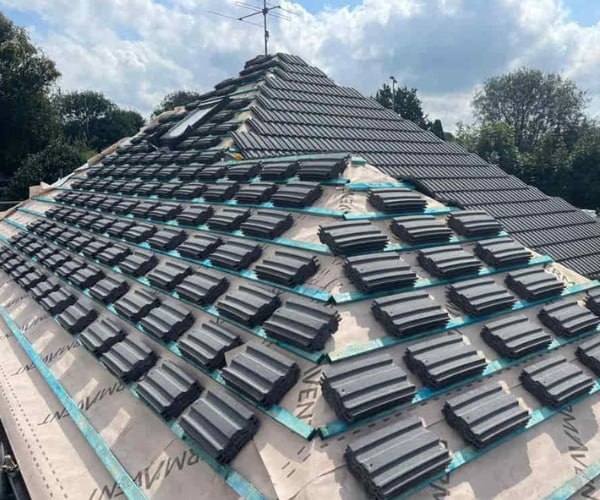
How Leadwork Protects Vulnerable Areas of a Roof
A roof is made up of many components that work together to keep a property protected from the elements. While tiles and slates often receive the most attention, leadwork plays an equally important role in maintaining a weatherproof roofing system. Without properly installed and maintained leadwork, some of the most vulnerable areas of a roof would be highly susceptible to water ingress and long-term damage.
For homeowners in Earls Barton, Northamptonshire, understanding the importance of leadwork can help prevent roofing issues and ensure the property remains protected throughout the year. At SCG Roofing Earls Barton, we provide professional leadwork installation and repair services designed to safeguard roofs from the effects of weather and ageing.
What Is Leadwork?
Leadwork refers to the use of lead sheets and flashings installed at key points on a roof where different surfaces meet or where additional waterproofing is required. Lead is widely used because it is durable, flexible and highly resistant to weathering.
Common applications include:
- Chimney flashings
- Roof valleys
- Junctions between roofs and walls
- Dormer window surrounds
- Roof abutments
These areas are often the most vulnerable parts of a roofing system and require additional protection against water penetration.
Protecting Chimney Junctions
The point where a chimney meets the roof is one of the most common locations for leaks to develop. Rainwater can easily find its way into small gaps if the area is not properly sealed.
Lead flashing around chimneys helps to:
- Create a watertight barrier
- Prevent water entering roof spaces
- Protect surrounding roofing materials
- Accommodate slight structural movement
Well-maintained chimney leadwork is essential for long-term roof performance.
Safeguarding Roof Valleys
Roof valleys are the channels where two roof slopes meet. These sections naturally collect and direct large volumes of rainwater during wet weather.
Leadwork in roof valleys helps:
- Guide water safely towards drainage systems
- Prevent pooling and water accumulation
- Protect vulnerable junctions from leaks
- Reduce wear on surrounding materials
Because valleys handle significant amounts of water, effective waterproofing is crucial.
Sealing Roof and Wall Connections
Many properties feature areas where roofing materials meet external walls. Without suitable protection, these junctions can become entry points for water.
Lead flashing provides:
- A durable weatherproof seal
- Protection against wind-driven rain
- Long-lasting performance in exposed areas
- Improved resistance to moisture penetration
These connections are often overlooked but play an important role in roof integrity.
Accommodating Natural Movement
Buildings naturally expand and contract due to changing temperatures and environmental conditions. Roofing materials also experience movement over time.
Lead is particularly effective because it:
- Remains flexible
- Adapts to minor movement
- Maintains a secure seal
- Reduces the risk of cracking
This flexibility helps leadwork continue performing effectively for many years.
Preventing Hidden Water Damage
One of the biggest dangers associated with failing leadwork is that problems often develop unnoticed. Small leaks can gradually allow moisture to enter roof spaces and structural components.
Potential consequences include:
- Damp roof timbers
- Deterioration of roofing materials
- Staining on ceilings and walls
- Reduced lifespan of roofing systems
Regular inspections can identify leadwork issues before significant damage occurs.
Why Leadwork Requires Professional Installation
Although lead is highly durable, its effectiveness depends heavily on proper installation. Incorrectly fitted leadwork may fail to provide adequate protection and can create weaknesses within the roofing system.
Professional roofing specialists ensure:
- Correct sizing and placement
- Proper sealing of vulnerable areas
- Suitable allowance for movement
- Long-lasting weather protection
At SCG Roofing Earls Barton, we carry out leadwork installations and repairs throughout Earls Barton, Northamptonshire, using proven techniques and high-quality materials.
Signs Your Leadwork May Need Attention
Homeowners should remain alert for signs that leadwork may be deteriorating or damaged.
These may include:
- Visible gaps around flashing
- Water stains inside the property
- Loose sections of lead
- Cracking or splitting
- Signs of recurring leaks near roof junctions
Prompt attention can prevent minor issues from developing into larger roofing problems.
Conclusion
Leadwork is one of the most important yet often overlooked elements of a roofing system. By protecting chimneys, valleys, roof junctions and other vulnerable areas, it helps prevent water ingress and extends the lifespan of the roof as a whole. Its durability, flexibility and weather resistance make it an essential component of effective roof protection.
For homeowners in Earls Barton, Northamptonshire, maintaining leadwork is a key part of preserving the condition of their property. If you have concerns about existing leadwork or require professional installation or repairs, SCG Roofing Earls Barton can provide expert advice and reliable roofing solutions. Contact our team to arrange an inspection and ensure your roof remains fully protected against the elements.
Call us on: 01604 261 699
Click here to find out more about SCG Roofing Earls Barton
Click here to complete our contact form and see how we can help with your roofing needs.