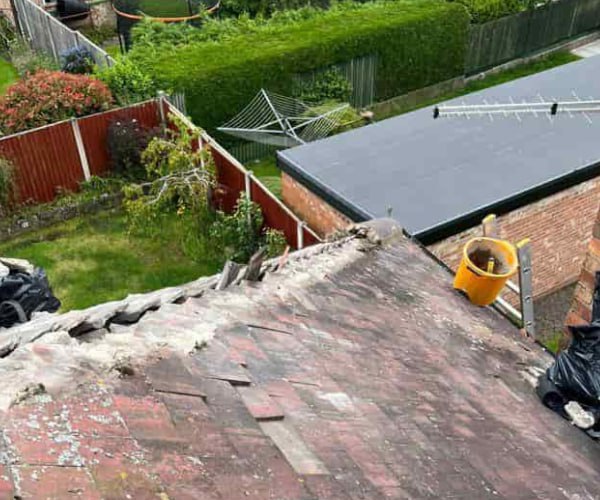
How to Identify Damaged Lead Flashing Around Roof Junctions
Lead flashing is an important part of a roof’s weatherproofing system. It is commonly installed around roof junctions, chimneys, valleys and other areas where roofing materials meet. These points are particularly vulnerable to water penetration, so flashing must remain properly fitted and in good condition to prevent rainwater from entering the roof structure.
Over time, exposure to changing weather conditions, movement and general material deterioration can affect lead flashing. Damage is not always immediately obvious, but recognising the warning signs early can help prevent minor defects from developing into more serious roofing problems. For property owners in Earls Barton, Northamptonshire, understanding what to look for can make it easier to know when professional attention is needed.
Why Lead Flashing Is Important Around Roof Junctions
Roof junctions are areas where different surfaces or sections of a roof meet. These include the points where a pitched roof connects to a chimney, wall or adjoining roof section. Because these joints can create gaps between materials, they require effective protection against rainwater.
Lead flashing is shaped to follow the surrounding surfaces and direct water away from vulnerable joints. When correctly installed and maintained, it helps prevent moisture from getting beneath the roof covering.
If flashing becomes loose, cracked or poorly sealed, water can find its way into the roof structure. This may eventually affect roof timbers, insulation, ceilings and internal walls. Regular checks help identify deterioration before it causes widespread damage.
Look for Cracks and Splits in the Lead
One of the clearest signs of damaged lead flashing is the presence of visible cracks or splits. Although lead is a durable and flexible material, repeated movement, weather exposure and deterioration can cause weaknesses to develop over time.
Small splits may allow rainwater to pass through the flashing, particularly during prolonged or wind-driven rainfall. Water entering through these openings can travel along the roof structure, meaning the resulting damp patch may appear some distance from the original defect.
Cracks should not be ignored, even when there are no obvious signs of water entering the property. A professional roofer can assess the extent of the damage and determine whether a suitable repair or replacement section is required.
Check for Lifted or Loose Flashing
Lead flashing needs to remain securely positioned against the surfaces it protects. If sections begin to lift, pull away from a wall or become loose around a chimney, gaps may form where rainwater can penetrate.
Loose flashing can result from deterioration of the fixing details, movement within the surrounding materials or previous installation problems. Strong winds and repeated exposure to adverse weather can also make existing weaknesses more noticeable.
From ground level, lifted flashing may be difficult to identify. A professional inspection can establish whether the material remains correctly positioned and whether the surrounding joints need attention.
Identify Signs of Water Ingress Inside the Property
Damage to lead flashing does not always become visible from outside. In some cases, the first indication of a problem appears inside the building.
Warning signs may include:
- Brown or yellow staining on ceilings near roof junctions.
- Damp patches on upper-floor walls.
- Peeling paint or bubbling plaster.
- Persistent musty smells in loft spaces.
- Moisture affecting insulation or exposed roof timbers.
These symptoms can indicate water penetration, although they may also have other causes, including condensation or defects elsewhere on the roof. A thorough assessment is needed to establish the source rather than simply treating the visible damage.
Examine Flashing Around Chimneys and Abutments
Chimneys and roof abutments are common locations for lead flashing because they involve junctions between different building surfaces. These areas need carefully fitted flashing to maintain an effective barrier against water.
Look for signs such as gaps between the flashing and masonry, sections that appear uneven or deteriorating mortar around the edges. Step flashing along the sides of chimneys should also remain properly positioned beneath the adjoining roof covering.
Problems in these areas can allow rainwater to enter behind the flashing and travel into the roof structure. Because chimney and wall junctions can be difficult to inspect safely, suspected defects should be assessed by an experienced roofer.
Look for Deterioration Around Roof Valleys
Roof valleys are designed to collect and channel rainwater from adjoining roof slopes. Lead may be used in these areas to provide a durable water-resistant lining, depending on the roof design.
Because valleys handle concentrated water flow, damage can quickly affect the roof’s ability to drain correctly. Signs of concern include visible splits, distorted sections, deterioration around joints or debris collecting where water should flow freely.
Any damage within a roof valley should be assessed promptly. Incorrect repairs or unsuitable materials can interfere with drainage and create further problems.
Why Professional Lead Flashing Repairs Matter
Identifying a problem is only the first step. Lead flashing needs to be repaired using suitable materials and techniques that account for the roof’s design, the condition of the surrounding surfaces and the way water drains across the junction.
A professional roofer can inspect the affected area, identify the cause of the defect and recommend an appropriate solution. Depending on the condition of the flashing, this may involve repairing a localised section, improving the fixing details or replacing damaged material.
Professional attention also helps establish whether nearby tiles, mortar joints or other roofing components have been affected by water ingress.
Homeowners should avoid climbing onto the roof to investigate suspected damage themselves. Roof junctions can be difficult to access, and working at height without suitable equipment and experience creates unnecessary risks.
Conclusion
Damaged lead flashing can compromise the weatherproofing of roof junctions and allow moisture to enter parts of a property that should remain protected. Cracks, lifted sections, deteriorating joints and internal damp patches are all signs that the flashing may need attention.
For property owners in Earls Barton, Northamptonshire, recognising these warning signs can help prevent minor roofing defects from becoming more extensive problems. SCG Roofing Earls Barton provides professional roofing repairs and can assess damaged lead flashing to identify suitable solutions. If you have noticed signs of deterioration or suspect water is entering around a roof junction, contact SCG Roofing Earls Barton to arrange an inspection.
Call us on: 01604 261 699
Click here to find out more about SCG Roofing Earls Barton
Click here to complete our contact form and see how we can help with your roofing needs.